
The Social Security Administration (SSA) is implementing a significant transformation of its national telephone service. These modifications aim to manage immense call volume, reduce wait times, and direct inquiries to the appropriate resolution channel. For millions of beneficiaries, dependents, and applicants, the telephone remains a critical lifeline to manage benefits, report changes, and resolve issues. This comprehensive analysis details the evolving telephone system, its operational framework, and strategic approaches for effective public engagement. Understanding these social security AI phone changes is essential for anyone who relies on these services.
Table of Contents
Understanding Social Security Telephone System Modernization
The Social Security Administration receives millions of calls each week through its main 1-800 number. Historically, high demand has resulted in extended wait times, busy signals, and caller frustration. The agency’s modernization initiative represents a fundamental restructuring of call intake and routing protocols. This restructuring leverages advanced call management technology to categorize requests and streamline processes before a caller ever speaks with a representative.
The primary objective is to increase the efficiency of the entire system. By automating responses to routine inquiries and accurately triaging complex cases, the administration intends to free its trained specialists to handle sensitive and complicated matters. This shift requires public adaptation to new telephonic procedures. Callers must now interact with an automated voice service designed to understand natural language requests and provide immediate answers or direct the call appropriately.
The Architecture of the New Automated Voice Service
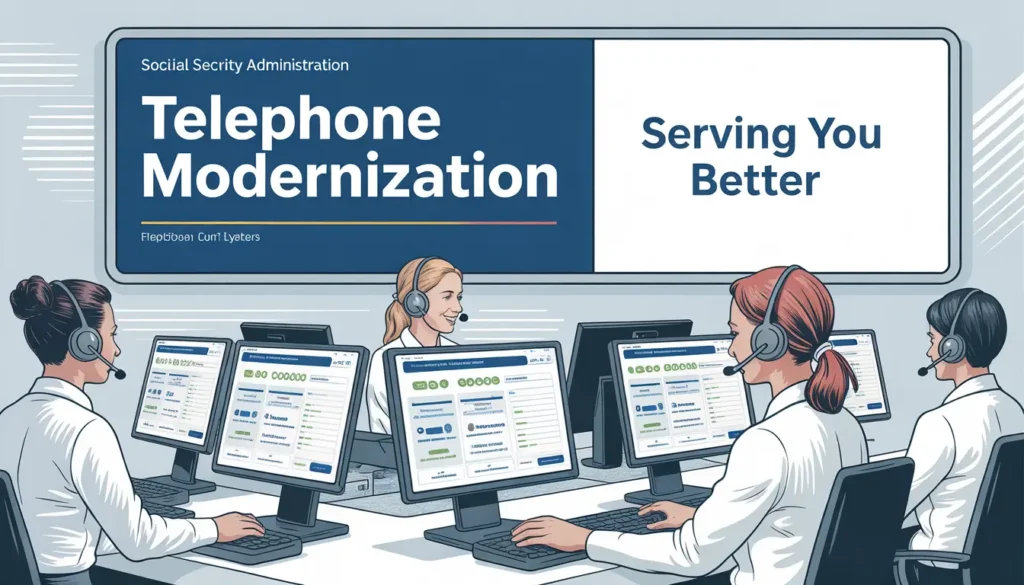
The redesigned telephone system employs a sophisticated voice recognition platform. This platform functions as the initial point of contact for all incoming calls. It is programmed to comprehend a wide array of phrases and questions related to common Social Security topics. For instance, a caller can state “I need to report a death” or “I want to request a replacement Social Security card” instead of navigating traditional touch-tone menus.
The system analyzes the spoken request against a vast database of known query types. It then executes one of several predetermined actions. For simple informational questions, such as office hours or required documentation lists, the system can provide a direct verbal response. For matters requiring human intervention, it places the caller in a specialized queue dedicated to that specific issue. This method ensures that the caller reaches an agent with the relevant expertise, reducing the need for transfers.
Key Changes and Features Callers Will Encounter
Several tangible differences define the updated calling experience. The most immediate change is the replacement of the legacy menu tree with a conversational voice interface. Callers are prompted to state their reason for calling in their own words. This interface operates continuously, allowing for follow-up questions and clarification within the same automated interaction. It is available in both English and Spanish, with other language services routed accordingly.
Another critical feature is the callback option. During periods of high volume, the system may offer callers the choice to receive a return call instead of waiting on hold. This callback typically occurs the same business day and preserves the caller’s place in the queue. The system also integrates enhanced security protocols. It may request specific personal information for verification earlier in the call sequence to expedite service once connected to a live agent.
Managing High-Volume Topics and Reducing Wait Times
The system is specifically calibrated to address the most frequent reasons for calls. Inquiries about benefit verification letters, payment dates, and replacement card requests are largely automated. The technology provides immediate information or initiates automated processes for these high-volume topics. This filtration mechanism is central to the administration’s strategy for decreasing average hold times for callers who truly need agent assistance.
By diverting routine traffic, the agency aims to increase the percentage of calls answered by its field offices and national 800-number representatives. The goal is a more predictable and efficient experience. Early data from phased rollouts indicates a measurable reduction in average speed to answer for calls that reach a human agent. However, success depends on public cooperation and familiarity with the new process, which remains a work in progress.
Practical Guidance for Calling Social Security
To navigate the updated system effectively, callers should prepare before dialing. This preparation involves gathering all necessary documents, such as a Social Security number, recent correspondence, and any relevant personal records. Having this information readily available is crucial for both the automated verification steps and the subsequent conversation with an agent. Clarity in stating the reason for the call is equally important.
When prompted by the voice service, use clear, concise phrases. For example, stating “check on my disability application status” is more effective than a vague “I have a question about my case.” If the automated system provides the requested information, listen completely to ensure the answer resolves the inquiry. If a callback is offered, accept it and ensure the phone line remains available. This practice maximizes the utility of the technology and conserves personal time.
Scenarios Requiring Special Attention and Human Intervention
While the automated system handles many functions, certain complex situations invariably require a trained representative. Applications for new benefits, appeals of decisions, reports of potential fraud, and discussions about overpayments are examples. The system is designed to recognize keywords associated with these sensitive topics and route those calls with priority. Reporting the death of a beneficiary also triggers immediate routing to a specialized agent.
Callers involved in these matters should clearly state the nature of the issue at the first prompt. Using precise terms like “appeal a denial,” “report suspected fraud,” or “discuss an overpayment notice” will guide the voice service to the correct endpoint. For individuals with hearing or speech impairments, the traditional TTY service remains fully operational and separate from the new voice-driven system.
Addressing Public Concerns and Adaptation Challenges
The transition to an automated first point of contact has generated concern among some beneficiaries, particularly older adults who may be less comfortable with voice-response technology. The administration acknowledges this challenge and maintains that the classic touch-tone menu system remains accessible as a secondary option for those who prefer it or cannot use the voice service. Instructions for accessing this menu are provided during the initial call greeting.
Another common concern involves data privacy and the security of providing personal information to an automated system. The SSA asserts that the telephone platform complies with all federal security standards for protecting personally identifiable information. The system uses the same verification frameworks that agents use, and it does not store sensitive data from the call beyond what is necessary for transaction processing. Callers should never provide full banking details to the automated service.
Measuring Impact and Future Iterations
The Social Security Administration continuously monitors the performance of its telephone modernization. Key performance indicators include the percentage of calls resolved by automation, the average wait time for a live agent, and caller satisfaction surveys. This data-driven approach allows for ongoing refinement of the voice service’s understanding and response accuracy. The system learns from millions of interactions to improve its ability to parse diverse accents, dialects, and phrasings.
Future iterations may include more proactive functionalities. These could involve outbound calls or messages to confirm appointments or remind beneficiaries of required documentation. The integration of this telephonic system with the SSA’s online portal services is also a strategic priority, creating a more unified user experience across all public-facing channels.
The ongoing implementation of social security AI phone changes represents a pivotal shift in how the public interacts with a critical federal benefit agency. This modernization, while requiring an adjustment period, is fundamentally designed to improve service accessibility and efficiency. By understanding the new system’s structure—from the initial voice prompt to the specialized callback feature—callers can engage with greater confidence and effectiveness. The ultimate success of this transformation hinges on the combination of sophisticated technology and informed public participation, ensuring that Social Security’s telephone service remains a reliable resource for all who depend on it.