
The question of whether ChatGPT can watch YouTube videos is common among users seeking to leverage its capabilities for multimedia content. Understanding the precise nature of this interaction is crucial for applying the tool effectively. This analysis examines the technical reality, defines the system’s actual capabilities, and provides authoritative methods for using it with video content.
Table of Contents
Understanding ChatGPT’s Core Function
ChatGPT operates exclusively as a text-based language model. Its architecture processes and generates sequences of words. The system lacks sensory modules for visual or auditory perception. Therefore, it cannot watch a video, hear audio, or interpret pixels and sound waves in any direct manner. Its knowledge is derived from training on a massive corpus of text and code, which includes transcripts, descriptions, and discussions about videos up to its last training update.
This fundamental design principle dictates all interactions. The model analyzes and responds to textual prompts. Any engagement with multimedia, such as a YouTube video, must be mediated through a textual representation. Recognizing this boundary is the first step toward using the technology productively.
How to Analyze YouTube Content with Text-Based Tools
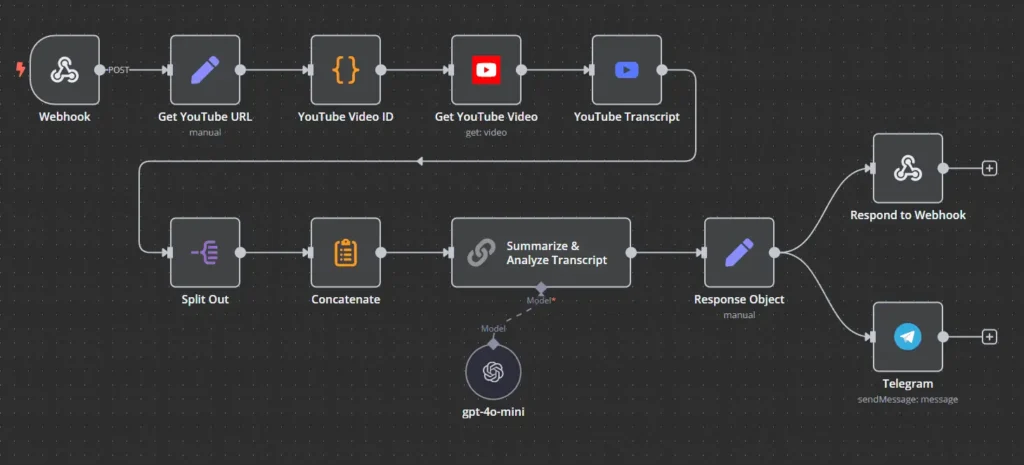
Several practical methodologies enable effective analysis of video content through language models. These approaches bridge the gap between the multimedia source and the text-based processing engine.
Utilizing Provided Transcripts
Many YouTube videos include automatically generated or creator-uploaded transcripts. You can copy this text directly and provide it within your prompt. This method supplies the model with the exact dialogue and narrated content. It allows for summarization, question answering, and thematic analysis based on the video’s script. The accuracy of the output depends heavily on the transcript’s quality and completeness.
Employing Detailed User Summaries
When a transcript is unavailable, you can furnish a comprehensive summary of the video’s content. Include key arguments, data points, demonstrated steps, and quotations. This approach requires more effort from the user but can guide the model to generate targeted responses. The tool can then extrapolate insights, draw connections, or reformat the information based on your detailed textual account.
Combining Transcripts with Specific Queries
For the most precise results, combine a transcript with explicit, focused instructions. Instead of a vague prompt like “tell me about this video,” use directive queries. For example, “Based on the attached transcript, list the three main hypotheses presented in the first ten minutes” or “Identify any contradictory statements in the arguments provided.” This focuses the analysis on verifiable text.
Technical Limitations and Considerations
Acknowledging the constraints of this process prevents misinterpretation. The model has no access to visual cues, on-screen text, charts, speaker tone, or sarcasm not reflected in the transcript. It cannot analyze cinematography, editing pace, or visual gags. Its knowledge is static; it cannot retrieve real-time information about videos published after its last training cut-off.
Furthermore, the model may generate plausible but incorrect descriptions of a video if given only a title or vague prompt. It invents details based on patterns in its training data. Always ground the interaction in accurate, user-provided text to ensure reliability. The tool is an analyzer of provided text, not a viewer of the source media.
Practical Applications and Use Cases
When used with accurate textual data, the system offers significant utility. It can generate concise summaries of long lectures or presentations. It is capable of creating structured study guides from educational content. The tool can extract action items from tutorial videos or compile lists of mentioned resources from a podcast’s transcript.
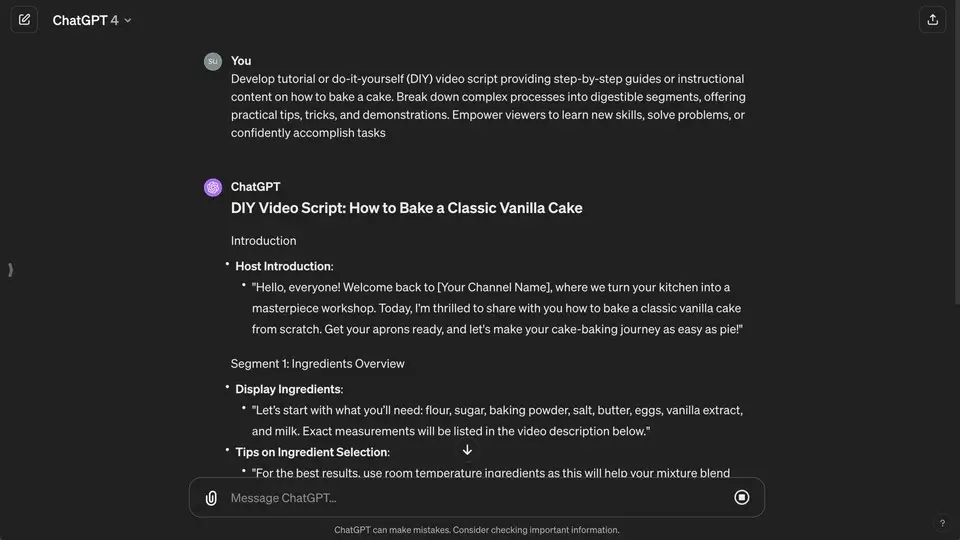
Researchers can use it to identify recurring themes across multiple video transcripts. Content creators can employ it to draft blog posts or article outlines based on their own video scripts. The key is framing the video’s content as text-based input for the model to process, not expecting perception of the audiovisual stream.
Conclusion: The Effective Path for Video Analysis
ChatGPT cannot watch a YouTube video. It is a text processor, not a sensory agent. The most effective method for analysis involves supplying accurate textual content from the video, such as a complete transcript or a meticulous summary. By focusing on this mediated, text-centric approach, users can reliably leverage the model’s analytical and generative strengths for multimedia content. This understanding ensures practical, valuable applications grounded in the technology’s actual capabilities.